

How to choose an AI visibility tool: 8 essential capabilities
Choose an AI visibility tool by asking whether it preserves the evidence behind every metric, keeps prompt scope honest, monitors the answer surfaces buyers use, and turns gaps into concrete work. PilotCite already supports that full loop: citation monitoring, saved answers and sources, separate mention and citation metrics, eight-platform paid coverage, competitor context, site audits, research, and citable content workflows. Evaluate any tool by whether it can explain why a number moved—not by how polished the dashboard looks.
AI visibility software should answer a practical question: when buyers ask an AI engine about your category, does your brand appear, earn a citation, and get framed accurately? The difficult part is producing a number the team can defend. A chart is not enough if nobody can open the answer behind it, inspect the cited pages, or explain which prompts counted.
Consider a team tracking 20 prompts across three engines every day. That creates 60 answer observations per day and 1,800 in a 30-day month. A useful tool must turn that volume into a decision: which prompt did the brand lose, which source won the citation, and what should change next?
What should the best AI visibility tools include?
The required feature set starts with measurement integrity and ends with an action the team can complete. The table below uses that workflow as the standard and shows how PilotCite covers each part today.
| Required feature | Why it matters | PilotCite support |
|---|---|---|
| Prompt control | Keeps buyer questions stable and separates discovery from direct-brand checks | Automatic, Include, and Exclude metric scope controls for every prompt |
| Full answer evidence | Makes every chart movement traceable to the answer that caused it | Saved answers, run details, brand mentions, cited domains, and source URLs |
| Separate visibility metrics | Prevents a mention, citation, recommendation, and sentiment signal from becoming one vague score | Mention Rate, true Citation Rate, share of voice, sentiment, and prompt-level results |
| Multi-platform monitoring | Shows where performance differs instead of averaging unlike answer engines together | Scheduled paid monitoring across eight AI answer surfaces; free starts with five ChatGPT prompts |
| Competitor context | Reveals who earns the mentions and citations your brand misses | Competitor tracking, share of voice, source gaps, and comparative sentiment |
| AI-readability audit | Finds crawl, rendering, metadata, and entity issues before a content rewrite | Integrated site audit with prioritized technical and content findings |
| Opportunity reporting | Turns missing visibility into an ordered work queue | Prompt changes, citation gaps, risks, and recommended next actions |
| Research and content workflow | Connects a losing answer to a source-backed page that can compete for the citation | Research plus GEO-friendly articles, rewrites, and comparison content grounded in citations |
This is also why raw platform count is a weak buying criterion. Coverage matters only when each run preserves enough evidence to support the next decision.
How does PilotCite cover the full workflow?
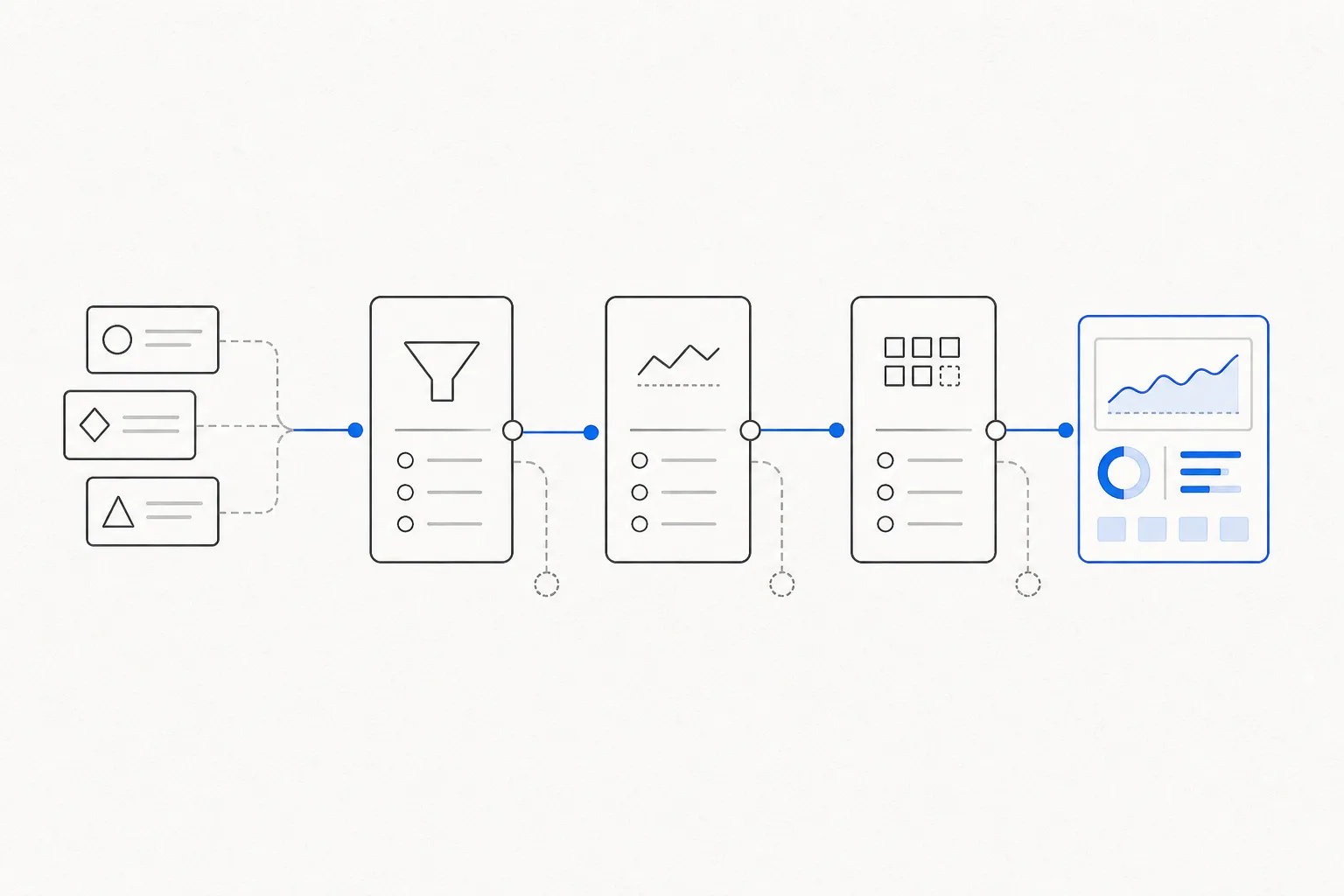
The features above are most useful when they share one data trail. PilotCite connects the buyer question, captured answer, cited source, diagnosis, and shipped fix instead of treating each as a separate report.
Prompt scope keeps the baseline honest
Direct-brand prompts answer a valid question—does the engine describe the brand accurately?—but they should not receive the same discovery credit as an open category question. PilotCite classifies prompt scope automatically and lets the team override each prompt with Automatic, Include, or Exclude. Excluded prompts remain available for answer-level review and sentiment while staying out of headline Mention Rate and Citation Rate.
That distinction matters because the calculation can be correct while the panel is biased. Six direct-brand questions inside a ten-prompt set can produce a healthy-looking score without showing that an engine would discover the brand on its own.
Evidence sits behind every metric
An aggregate percentage should be the start of an investigation, not the end. PilotCite stores the answer, platform, prompt, run time, detected brand mentions, citations, and source domains needed to reproduce the number. A team can open a lost prompt and see whether the problem is brand absence, a competitor citation, negative framing, or a page the engine could not use.
That evidence also prevents false celebration. More mentions with flat citations may mean the model recognizes the brand name while preferring another domain as its supporting source. The two outcomes require different work.
Platform results stay separate
AI answer engines do not retrieve, cite, or format sources in the same way. PilotCite monitors eight answer surfaces on paid plans and reports results by platform, so a strong result in one channel does not hide absence in another. The free plan provides a durable starting point with one brand and five monitored ChatGPT prompts.
Stable prompt wording, locale, platform, cadence, and metric rules create a useful trend. Changing those inputs while reading one combined score turns methodology changes into apparent performance changes.
Monitoring leads to a concrete next action
The shortest path to improvement starts with the earliest failed condition. Can the engine retrieve the page? Can it connect the claim to the right brand? Does the page contain a self-contained answer worth citing? PilotCite combines the monitoring record with an AI-readability site audit, research, opportunity reports, and source-backed content workflows so the team can fix that specific failure.
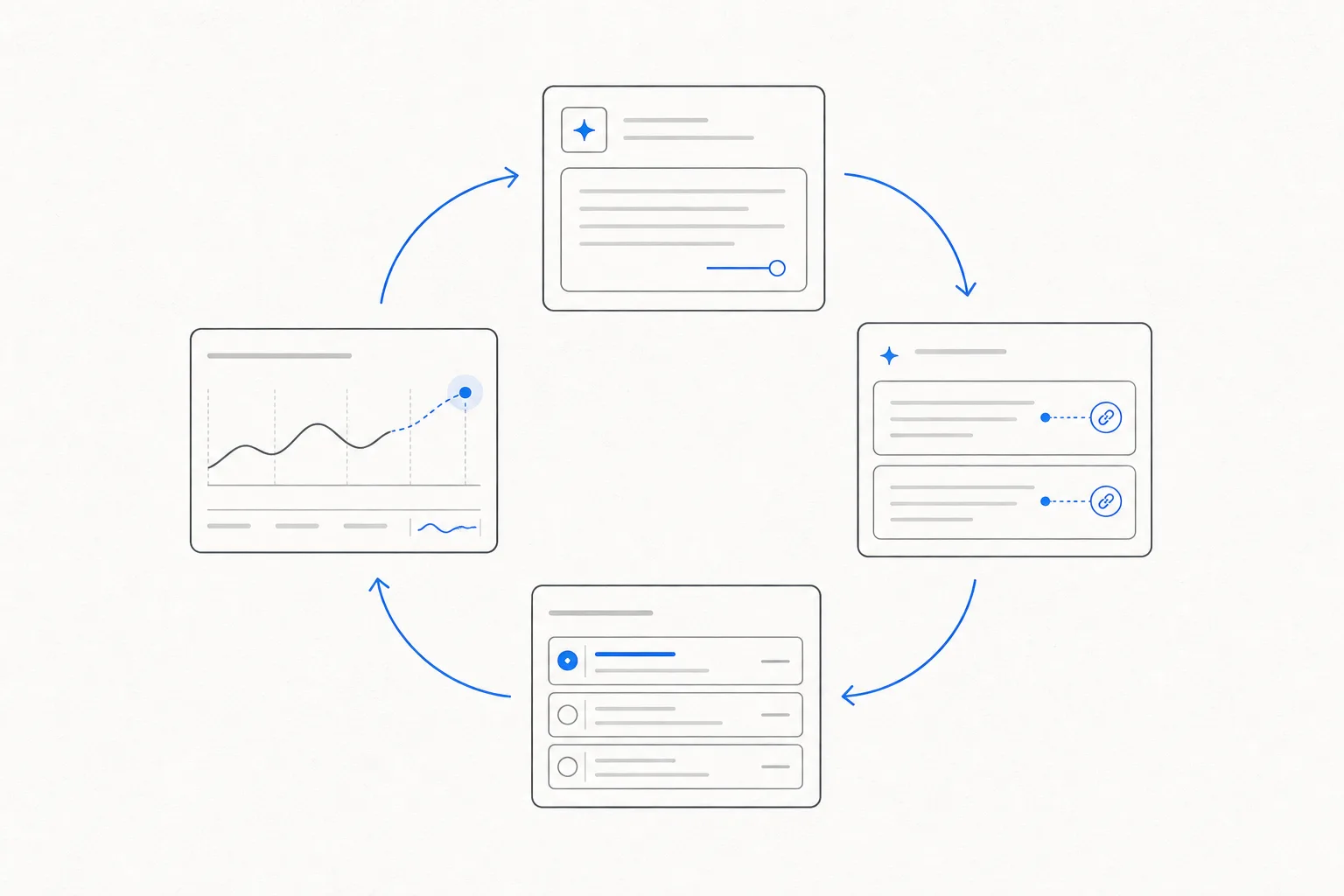
The result is a repeatable operating loop rather than a reporting ritual.
How should you test an AI visibility tool?
Use a small, fixed pilot that represents real buyer decisions. Fifteen to twenty prompts are enough to expose workflow gaps without turning evaluation into a quarter-long project. Cover category discovery, use-case fit, comparison, implementation, pricing, risk, and trust.
Run the same prompts on the same engines, locale, and region for at least seven days. With 20 prompts across three engines, that produces up to 420 prompt-engine-day observations. AI answers vary, so these are not perfectly independent statistical samples; they are a practical test of repeatability, missing runs, evidence capture, and trend handling.
Complete the same five tasks during the pilot:
- Open a prompt where the brand was absent and identify the brands and sources that won.
- Open a prompt where the brand was mentioned but its domain was not cited.
- Exclude a direct-brand prompt from headline metrics without deleting its answer.
- Trace a chart movement back to the exact answers that caused it.
- Turn one loss into an assigned action, then find it again during the next review.
If the product cannot complete this loop, another summary chart will not make it operational.
Which metrics should survive a tool switch?
Measurement definitions should remain portable even when software changes. At minimum, preserve the prompt text, topic, intent class, platform, locale, run time, full answer, detected brands, visible citations, and whether the prompt counts toward headline metrics.
From that evidence, AI visibility metrics remain understandable:
- Mention rate: qualified answers that name the brand divided by qualified answers run.
- Citation rate: qualified answers that cite the brand's domain divided by qualified answers run.
- Share of voice: brand mentions as a share of mentions across the defined competitive set.
- Sentiment: how answers that mention the brand frame it, inspected with the underlying text.
- Recommendation rate: answers that present the brand as a fit, tracked separately from a passing mention.
Exported percentages without the prompt and answer evidence are not a migration path. They are a snapshot of a methodology the team cannot reproduce.
What should you check before choosing a plan?
Start with the failure modes that would make the data unusable. Can the product distinguish visible citations from pages accessed in the background? Does it preserve citation-free or failed answers instead of dropping the row? Can the team correct brand aliases without rewriting history? Can regions and languages remain separate? Does a prompt edit create a clear break in the trend?
Then test the human workflow. Ask the person who will run the weekly review to complete it without assistance. Ask the content owner to open one losing answer and identify the page to change. Ask a stakeholder to reproduce a chart number from the saved answers. Those tasks measure adoption more honestly than a feature checklist alone.
Finally, calculate the real unit cost. Prompt limits hide the multiplier: prompts × platforms × regions × run frequency. Choose a plan for the panel the team will maintain, not the maximum panel shown during onboarding. PilotCite's pricing makes that progression explicit, beginning with five monitored ChatGPT prompts on the free plan.
Why choose PilotCite for AI visibility?
PilotCite supports the complete measure-to-action loop without requiring a lean team to assemble separate monitoring, audit, research, and content systems. It keeps the methodology visible: prompt scope is controllable, mentions and citations remain separate, each trend opens into answer evidence, and every gap can move into a technical or content action.
No tool removes the need for a sound prompt set. Define the buyer questions that matter, separate discovery from direct-brand monitoring, and insist that every score opens into evidence. That is the standard the best AI visibility tools should meet—and the workflow PilotCite is built to run.
- Twenty prompts across three platforms create 60 answer observations per run, so prompt limits must be evaluated with platform and region multipliers.
- A brand mention and a domain citation are different events; PilotCite stores and reports both.
- Direct-brand prompts can overstate discovery performance when they count toward headline Mention Rate.
- A defensible trend keeps the prompt, platform, locale, region, cadence, and scoring rule stable.
- PilotCite connects monitoring evidence to site audits, opportunity reports, research, and citable content workflows.
Frequently asked questions
They should provide prompt control, saved answer evidence, separate mention and citation metrics, multi-platform monitoring, competitor context, technical audits, opportunity reporting, and a path from research to citable content.
Yes. PilotCite combines scheduled monitoring, prompt scope controls, full answer and citation evidence, separate visibility metrics, eight-platform paid coverage, competitor analysis, site audits, research, opportunity reports, and content workflows.
Start with 15 to 20 prompts covering distinct buyer decisions and run the same set across the same platforms, locale, and region for at least seven days.
Yes, for a small pilot. Save every prompt, answer, platform, date, brand mention, and citation in a spreadsheet. Software becomes valuable when repeated runs, multiple platforms, evidence retention, and team reporting become difficult to maintain.
A question that already names the brand makes a mention structurally likely. Keep those answers for accuracy and sentiment review, but separating them prevents discovery metrics from receiving easy credit.